
A haulage yard at dawn with trailers lined up
Consultancy

Advice from
inside the operation.

I'm a private consultant to logistics and haulage businesses, with over 20 years in the industry and many companies helped. I don't hand over a report and walk away. I help implement it, test it and run it, and I write the code, AI included, when it's needed.

Why bring me in

The problem is usually in the gaps.

Most logistics software problems aren't inside one system. They're between two.

The TMS and the pallet network. The WMS and the supermarket. The customer's order file and your import. Each vendor looks after their side. Nobody owns the join.

I do. I can read the API, talk to the vendor's developers, explain it to the transport office, and fix it myself when that makes more sense than paying a day rate.

And I bring AI with me. I'm one of the most experienced AI-driven technologists working in UK logistics, and where AI can take a job off your team, I'll show you, on private hardware, with your data kept in-house.

What I do

Consultancy that gets its hands dirty

A transport control room with screens of routes and jobs
In practice

The named technical contact.

I've been the person in the middle for many logistics and haulage businesses. Here's one: a bespoke cloud TMS rollout for a UK haulage and distribution business.

I helped implement the TMS, trained into the transport hub systems, and became the business's named technical contact with retailers, EDI providers and the WMS vendor.

When a message fails overnight, someone has to know which system to look at first, and who to call. That's the job.

Read the case study

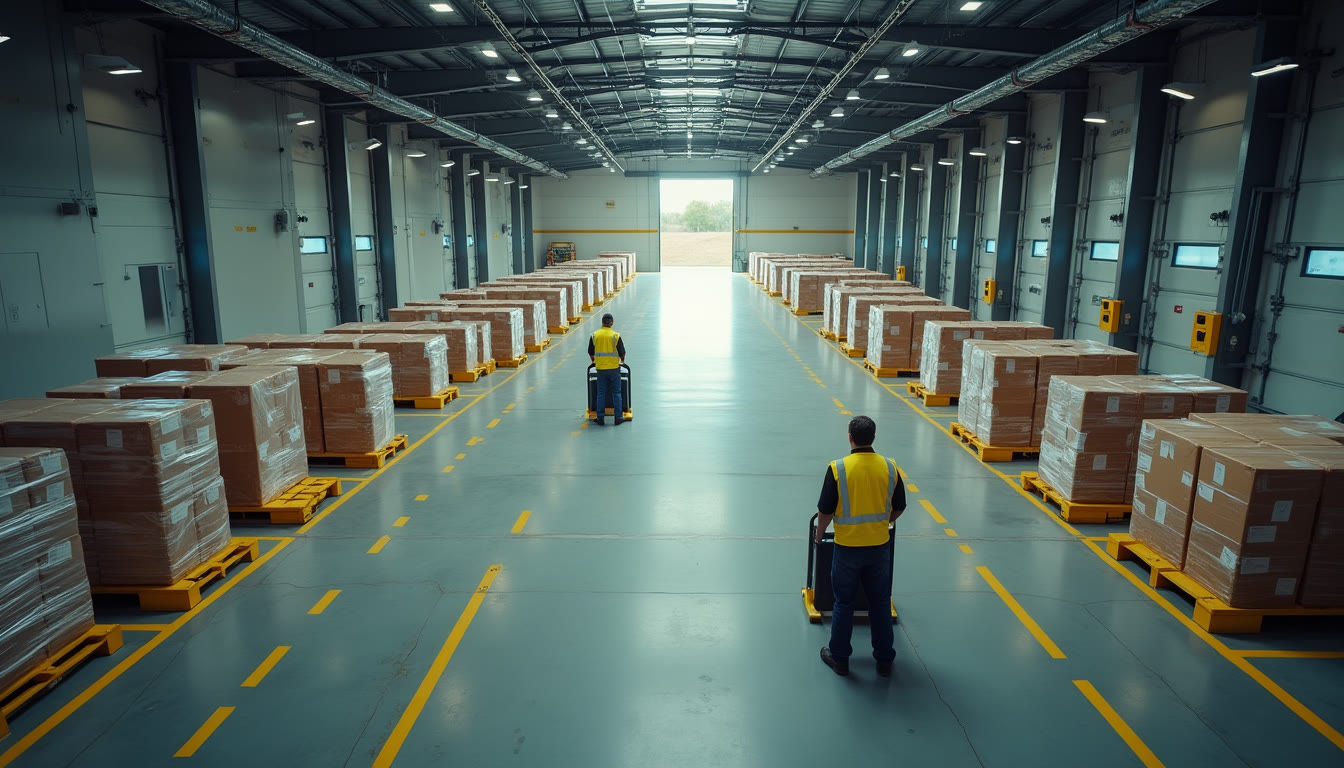
Pallets being moved across a busy cross-dock
Testing

Proven end to end, not just connected.

Before a haulier's TMS trades with a national pallet network, the link has to be proven.

On one such project I ran that testing: forward-manifesting consignments, following each one through collection, the hub and delivery, and feeding validation findings back to the network's tech team.

Read the case study

How an engagement runs

No surprises, start to finish.

  1. Walk the floor

    I learn how the work really moves before I touch a system: yard, transport office, warehouse, accounts.

  2. Map the systems

    Every system, file, message and person involved. Where the data starts, where it ends, where it gets lost.

  3. Plan the change

    What changes, in what order, and who needs to know. Written in plain words.

  4. Test end to end

    Real flows, tested away from live systems, with findings written up and fed back.

  5. Go live and stay

    I'm there for go-live and after it, as the technical contact your partners can call.

Case studies

Consultancy in practice

The view from a lorry cab on an open road
Start with a conversation

Need someone in the gap?

Tell me which systems aren't talking, or which project has stalled. I'll tell you straight what it takes.